Ketamine Infusion Therapy for Chronic Pain: Let’s Talk About Why It Works



By modulating NMDA receptors and promoting neuroplasticity, it offers a science-backed option for patients who haven’t found relief with conventional treatments.
Key Takeaways:
- Resets pain signaling: Blocks NMDA receptor overactivity to reduce central sensitization
- Promotes brain healing: Stimulates neuroplasticity for longer-lasting pain relief
- Effective for complex conditions: Especially CRPS, neuropathic pain, and fibromyalgia
- Rapid, measurable results: Can improve pain and mood within days
- IV delivery ensures precision: Maximizes bioavailability and consistent outcomes
- Best for treatment-resistant cases: Ideal when standard therapies fail
Table of Contents
- Understanding Chronic Pain and Its Neurological Impact
- How Ketamine Infusion Therapy Works
- Conditions That Respond to Ketamine Treatment
- Why Intravenous (IV) Delivery Is the Gold Standard
- Stellate Ganglion Block and Its Role in Treatment
- Ketamine vs. Magnesium Infusions
- Clinical Evidence and Research Findings
- Who Is a Good Candidate for Ketamine Therapy?
- Integrating Ketamine Into a Comprehensive Pain Management Plan
Chronic pain is not just pain that has lasted a long time. It is pain that has changed the way your nervous system works, often persisting long after the original injury has healed.
For many patients, this means cycling through treatments that offer limited or temporary relief. Ketamine infusion therapy is one of the few options that directly addresses the neurological changes underlying chronic pain. It does not simply mask pain signals. It acts at the level of the central nervous system, disrupting the cycles of abnormal signaling that keep pain alive.
This post explains how ketamine works, which conditions respond to it, who tends to be a good candidate, and what the clinical evidence shows. The supporting posts in this series go deeper into the patient experience and how to determine whether ketamine may be right for you.
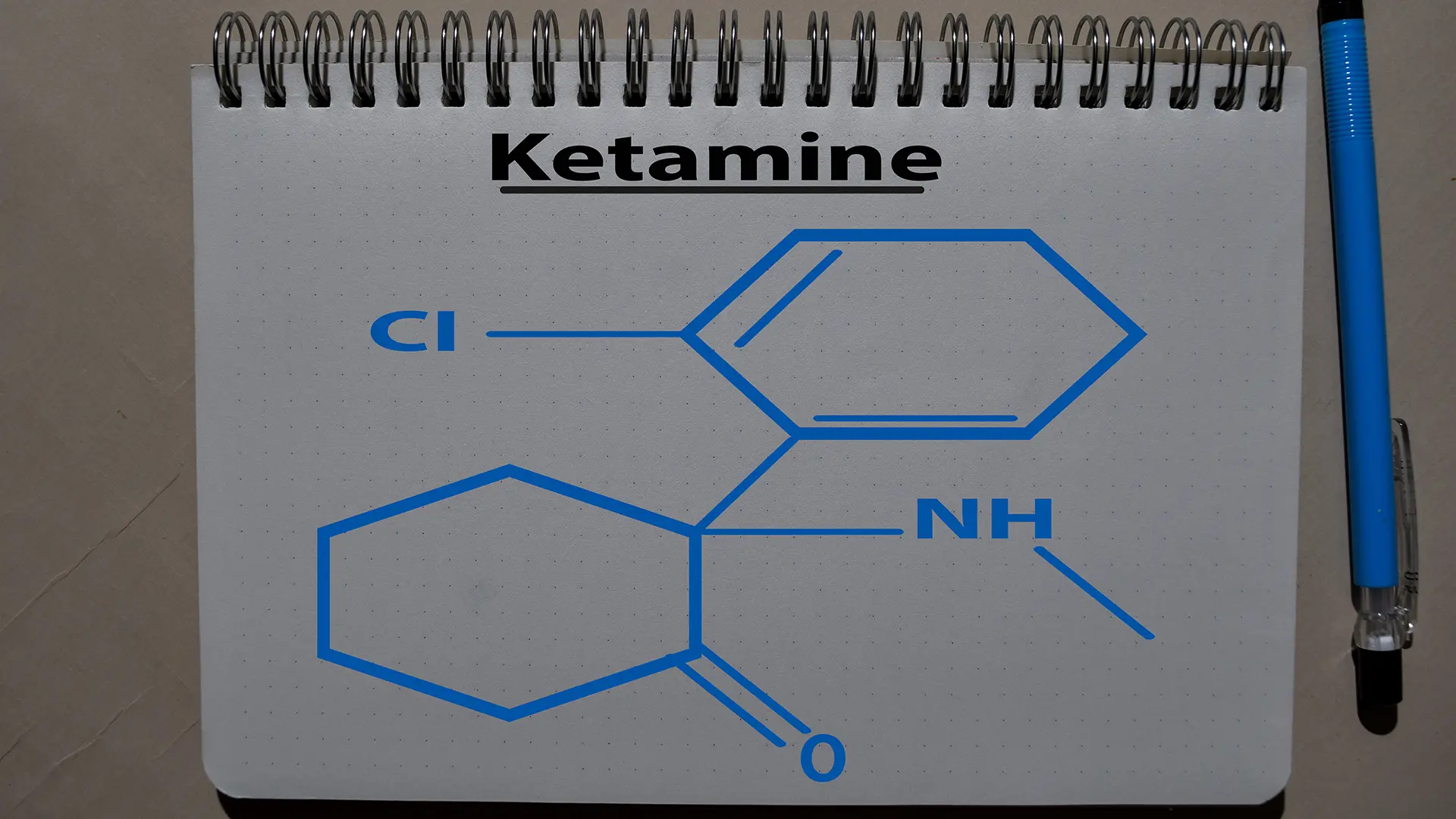
How Does Ketamine Work for Chronic Pain?
Ketamine is an NMDA receptor antagonist. NMDA receptors are found throughout the brain and spinal cord, and they play a central role in how the nervous system transmits and amplifies pain signals.
When these receptors are overactivated, the nervous system becomes hypersensitive. Ordinary sensations become painful. Pain signals that should quiet down do not. Ketamine blocks this overactivation, interrupting the cycle of amplification at its source.
But the mechanism does not stop there. Ketamine works through three interconnected pathways:
- NMDA receptor antagonism: Blocks the receptor overactivation that drives central sensitization and amplified pain
- Glutamate modulation: Restores more balanced neurotransmitter signaling throughout the pain-processing network
- BDNF release and neuroplasticity: Triggers the release of brain-derived neurotrophic factor, a protein that supports the growth and reorganization of neurons, allowing the brain to restructure maladaptive pain pathways
This third mechanism is what makes ketamine clinically distinct. The neuroplastic changes it induces can allow the brain to essentially reset entrenched pain signaling patterns. Effects can extend well beyond the infusion itself and, in some patients, persist for weeks or months.

Which Conditions Respond to Ketamine Infusion Therapy?
Ketamine has strong clinical evidence for a specific set of chronic pain conditions and emerging evidence for several others. It also has well-established evidence for certain psychiatric diagnoses, which are directly relevant to many chronic pain patients.
Chronic pain conditions with the most robust evidence include:
- Complex regional pain syndrome (CRPS) is one of the most treatment-resistant pain conditions. Complex regional pain syndrome involves significant central sensitization, making it a strong candidate for ketamine’s mechanism of action.
- Neuropathic pain: Pain arising from nerve damage or dysfunction, including diabetic neuropathy, postherpetic neuralgia, and peripheral neuropathy.
- Fibromyalgia: Characterized by widespread pain, fatigue, and heightened pain sensitivity across the body.
- Central sensitization syndromes: Conditions where the pain-amplifying mechanisms of the central nervous system have become dysregulated, producing pain disproportionate to any identifiable peripheral cause.
- Phantom limb pain and failed back surgery syndrome: Chronic pain states where conventional treatment options are often inadequate, and ketamine’s neuroplastic effects offer a distinct mechanism of potential relief.
Ketamine also has strong evidence for psychiatric diagnoses that frequently co-occur with chronic pain:
- Treatment-resistant depression: Ketamine produces rapid antidepressant effects, often within hours to days, through the same NMDA and neuroplasticity pathways.
- Post-traumatic stress disorder (PTSD): Ketamine may help normalize the hyperactivated neural signaling associated with PTSD, which shares overlapping circuits with chronic pain.
- Anxiety-based pathologies: Anxiety disorders that have not responded adequately to conventional treatment may benefit from ketamine’s mechanism, particularly when they co-occur with chronic pain.
Patients seeking ketamine primarily for psychiatric diagnoses should know that psychiatric clearance is part of the evaluation process. This is a standard part of responsible care, not a barrier, and it ensures treatment is appropriate and well-coordinated.
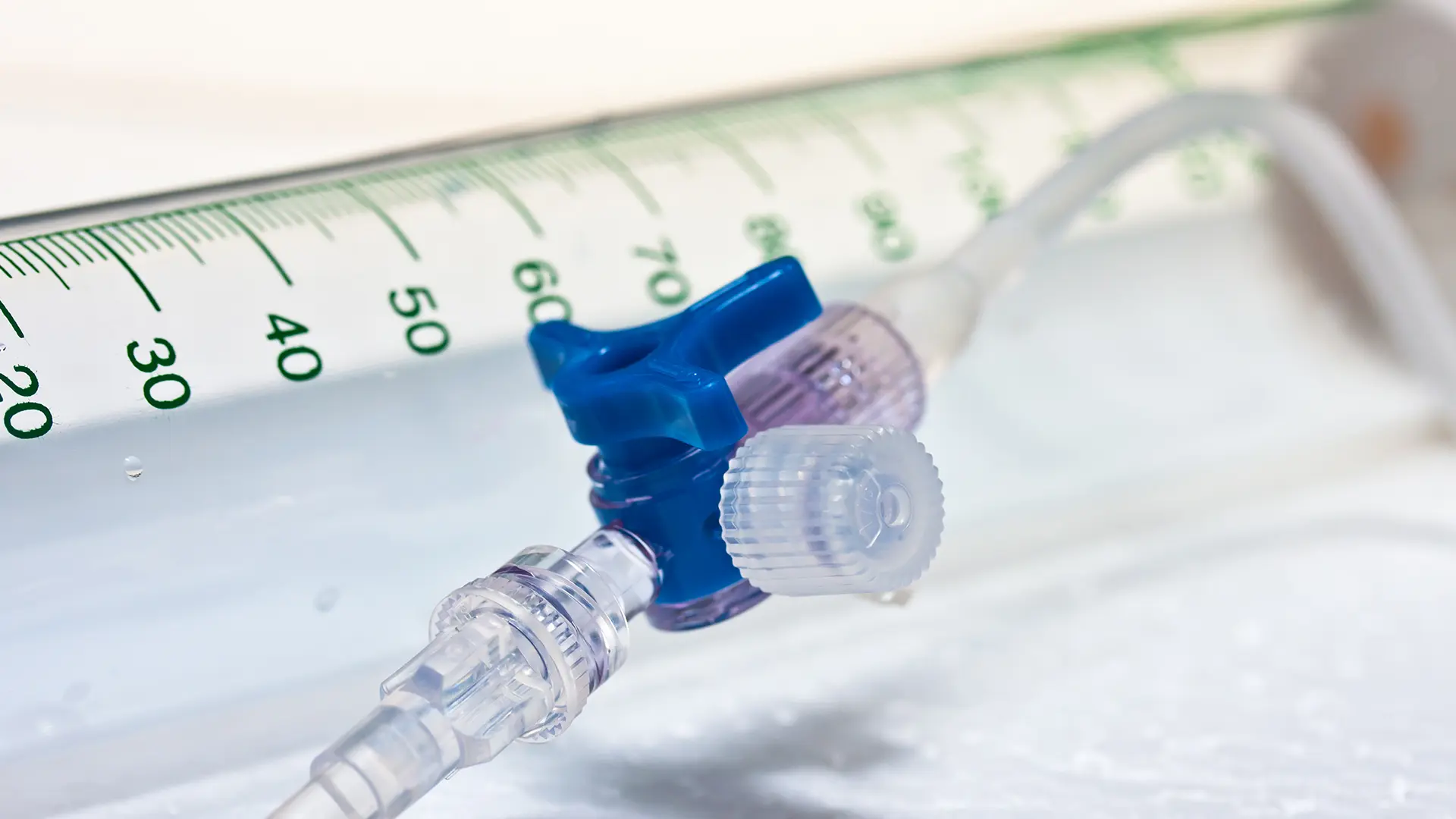
Why Is Ketamine Given Intravenously?
Ketamine can be administered orally, intramuscularly, or intranasally. Intravenous delivery is the gold standard for chronic pain and psychiatric indications. The reason is bioavailability.
Here is how the routes compare:
- Intravenous (IV): Complete bioavailability. Every milligram reaches the bloodstream immediately and predictably.
- Intranasal and intramuscular: Better than oral, but variable absorption means less consistent dosing.
- Oral: Subject to first-pass metabolism in the liver, which substantially reduces how much of the drug reaches the brain and creates significant variability in effect.
For a treatment whose mechanism depends on achieving specific receptor occupancy in the central nervous system, this precision matters. It is the difference between a clinically reliable intervention and a pharmacologically uncertain one.
At Preefer Pain Relief, ketamine infusions are administered under continuous monitoring, with vital signs tracked throughout each session. This level of clinical oversight is the standard of care we consider non-negotiable.

What Is a Stellate Ganglion Block, and How Does It Relate to Ketamine?
For patients with CRPS or PTSD, a second procedure is worth knowing about: the stellate ganglion block.
The stellate ganglion is a collection of sympathetic nerve cells in the neck. In CRPS, the sympathetic nervous system often plays a significant role in maintaining and amplifying pain. In PTSD, emerging research suggests the stellate ganglion block may normalize the hyperactivated sympathetic signaling associated with the disorder’s core symptoms.
At this practice, stellate ganglion blocks are performed under ultrasound guidance, allowing precise needle placement and reducing the margin for error that comes with landmark-based approaches.
Both ketamine and stellate ganglion blocks may be appropriate for the same patient, addressing different aspects of the same underlying neurological disruption. If CRPS or PTSD is part of your clinical picture, this is a conversation worth having during your consultation.

How Does Ketamine Compare to Magnesium Infusions?
Ketamine is not the only infusion therapy that works through NMDA receptor modulation. Magnesium infusions have genuine clinical evidence for certain chronic pain presentations. They represent a meaningfully different option in terms of mechanism, cost, and appropriate indications. The relationship between ketamine and magnesium infusions is explored in depth in the next supporting post in this series.

What Does the Clinical Evidence Show?
Ketamine’s use in chronic pain is supported by a substantial body of research, including randomized controlled trials, prospective studies, and long-term outcome data. Key findings include:
- Significant pain reduction in CRPS patients treated with sub-anesthetic IV ketamine infusions, with effects documented in multiple controlled trials
- Meaningful improvement in neuropathic pain outcomes across several patient populations, including those who had not responded to standard pharmacologic treatment
- Rapid onset of antidepressant and anxiolytic effects in treatment-resistant depression, often within hours to days of the first infusion, compared to the weeks typically required for oral antidepressants
- Evidence of neuroplastic changes following ketamine treatment, measurable in functional imaging studies, consistent with the mechanistic explanation for its sustained effects
The evidence is strongest for CRPS, neuropathic pain, PTSD, and treatment-resistant depression. There is also evidence that shows it can be helpful for people who use long-term opioids and are experiencing resistance and/or are struggling with reducing their reliance on them. In some instances, it may be a helpful adjunct to other therapies for those struggling with addiction. For other conditions, the evidence base is developing but clinically promising. A good consultation will be honest about where the evidence is robust and where it remains emerging.

Is Ketamine Infusion Therapy Right for You?
Ketamine therapy is not appropriate for every patient with chronic pain. Careful patient selection is central to responsible practice. A thorough consultation will review your full medical and pain history, current medications, prior treatment responses, and relevant psychiatric history before any recommendation is made.
In general, ketamine is most appropriate for patients who:
- Have a confirmed diagnosis consistent with the chronic pain conditions that can be treated with ketamine therapy.
- Have tried and not responded adequately to other evidence-based treatments
- Do not have contraindications such as uncontrolled hypertension, active psychosis, liver problems, or certain cardiovascular conditions
- Can commit to a full initial series of infusions and the appropriate follow-up schedule
- Patients with a significant psychiatric history or who are currently prescribed psychiatric medications will be asked to provide a clearance letter from their treating psychiatrist or prescriber, and to consent to open communication between that provider and Preefer Pain Relief.
The patient experience during an infusion, the typical series structure, and what recovery looks like are covered in detail in the companion post: What Happens During a Ketamine Infusion? A Patient’s Step-by-Step Guide. Whether you are likely to be a good candidate is the focus of: How to Know if Ketamine May Be Right for You.
How Does Ketamine Fit Into a Broader Treatment Plan?
Ketamine infusion therapy is most effective when integrated into a comprehensive, individualized treatment plan. The neuroplastic window that follows an infusion creates an opportunity to reinforce progress through physical rehabilitation, psychological support, and medication optimization, helping patients consolidate gains and achieve more durable outcomes.
At Preefer Pain Relief, ketamine is one tool in a broader clinical picture. The goal is not simply to provide infusions but to understand each patient’s full pain history and design a treatment approach that gives them the best chance of meaningful, lasting improvement.
Ketamine works because it treats a pathway that other solutions tend not to reach well. For patients who have tried everything and found limited relief, that distinction matters enormously. We are not managing the pain so much as attempting to address the underlying neurological changes that are sustaining it.
— Dr. Zachary Preefer, DO, Anesthesiologist and Pain Medicine Physician, Preefer Pain Relief

Ready to Learn More?
If you are living with chronic pain that has not responded to conventional treatment, ketamine infusion therapy may be worth exploring. The first step is a thorough consultation where we can review your history, discuss whether you are likely to be a good candidate, and answer your questions.
Contact Preefer Pain Relief to schedule a consultation with Dr. Zachary Preefer.
View Related Studies

Pelvic Floor Dysfunction and Chronic Pain: The Connection Most Doctors Miss
Understand the causes of chronic pelvic pain, why it’s often misdiagnosed, and how comprehensive pelvic pain evaluation and treatment can help.

What Is a Pain Medicine Specialist - And Why the Right One Changes Everything
A pain medicine specialist is a physician with advanced training in diagnosing and treating acute and chronic pain conditions.

The Difference Between an MD and a DO: What It Means for Your Pain Care
Choosing between a medical doctor (MD) and an osteopathic doctor (DO) for pain care can impact your treatment approach.