What Is a Pain Medicine Specialist - And Why the Right One Changes Everything



Key Takeaways:
Unlike general practitioners, these specialists offer interventional techniques, advanced diagnostics, and personalized treatment plans to address pain at its source and improve long-term function.
- Provides expert diagnosis of chronic pain, nerve pain, joint pain, and musculoskeletal pain
- Offers advanced treatments, including nerve blocks, spinal injections, and regenerative medicine
- Develops a personalized pain management plan tailored to each patient’s condition and lifestyle
- Uses a multidisciplinary approach combining physical therapy, medication management, and psychological support
- Helps improve mobility, daily function, and overall quality of life while supporting reduced reliance on opioids
- Coordinates care for patients managing both chronic pain and addiction — a population that deserves, and benefits from, specialized attention
- Provides pre-surgical optimization for patients in chronic pain, using anesthesiology expertise to improve safety, outcomes, and recovery
Table of Contents
- What Is a Pain Medicine Specialist?
- How a Pain Medicine Specialist Differs from a Primary Care Physician
- Why the Right Pain Management Doctor Changes Everything
- What Is Interventional Pain Management?
- Common Interventional Procedures
- Pain Conditions and Types of Pain a Specialist Can Treat
- The Multidisciplinary Approach at a Pain Clinic
- How to Choose the Right Pain Management Specialist or Pain Clinic
- What to Expect at Your First Visit to a Pain Management Doctor
- Frequently Asked Questions
- Next Steps: Scheduling a Consultation
Millions of Americans live with chronic pain that does not respond to rest, over-the-counter medication, or basic primary care. For many of them, the right next step is a pain medicine specialist — a physician with the advanced training, tools, and time to evaluate pain at its source and build a treatment plan around their life.
But not all pain specialists practice the same way. Training backgrounds, available procedures, and clinical philosophies vary considerably from one practice to the next. Understanding what to look for is the first step toward finding care that actually makes a difference.
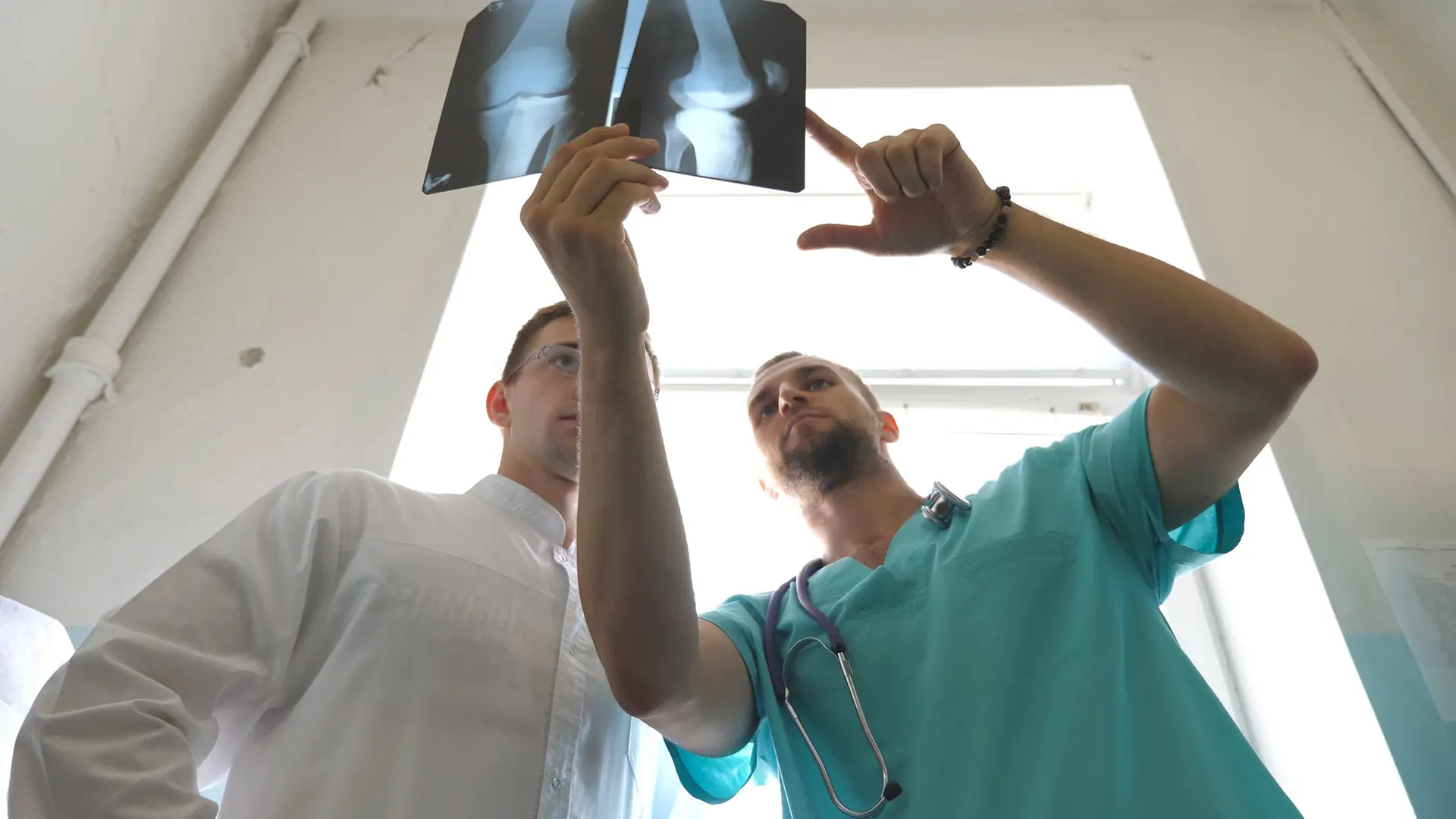
What Is a Pain Medicine Specialist?
A pain medicine specialist is a physician who has completed advanced training beyond a standard medical or osteopathic degree, with focused expertise in the evaluation, diagnosis, and treatment of pain conditions.
Most pain physicians complete the following:
- A medical degree (MD or DO)
- A residency in anesthesiology, neurology, physical medicine and rehabilitation, or psychiatry
- A one-year fellowship in pain medicine accredited by the Accreditation Council for Graduate Medical Education (ACGME)
This pathway represents years of graduate medical education beyond what a general practitioner receives. It equips pain physicians with in-depth knowledge of the nervous system, pain signals, and interventional treatments that most primary care doctors are not trained to perform.

How a Pain Medicine Specialist Differs from a Primary Care Physician
A primary care doctor plays a valuable role in managing overall health and identifying when a patient needs more specialized care. However, many primary care physicians are not trained to manage complex or persistent pain conditions.
A pain medicine specialist brings a distinct set of capabilities:
- Advanced diagnostics, including detailed physical examination focused on pain pathways and interpretation of magnetic resonance imaging and other imaging studies
- Access to interventional treatments such as nerve blocks, spinal injections, and radiofrequency ablation
- A broader medication toolkit, extending well beyond what most primary care practices offer
- Coordination with other healthcare professionals through a multidisciplinary approach — addressed in its own section below
When pain persists beyond what conservative care can address, a referral to a pain specialist is often the most effective next step.

Why the Right Pain Doctor Changes Everything
Pain medicine is a specialty with meaningful variation in training, philosophy, and available treatments. The right pain physician brings a level of clinical attention and diagnostic precision that fundamentally changes what is possible for a patient living with chronic pain.
A skilled pain medicine specialist will:
- Approach your care with diagnostic precision, identifying the specific source of pain rather than treating symptoms in isolation
- Develop a personalized treatment plan rather than defaulting to a standardized approach
- Identify targeted interventional options worth exploring before surgery is considered — and discuss the full range of options with you and your care team
- Support reduced reliance on opioids by offering a broader range of evidence-based pain treatments
- Evaluate pain in the context of your overall quality of life, including sleep, mobility, emotional well-being, and daily function
“Chronic pain rarely travels alone. It affects how you sleep, how you move, and how you connect with the people you love. My goal is not simply to reduce a number on a pain scale. It is to understand what a meaningful life looks like for each patient, and to build a treatment plan that actually gets them there.”
— Dr. Zachary Preefer, DO, Anesthesiologist and Pain Medicine Physician

What Is Interventional Pain Management?
Interventional pain management is a subspecialty within pain medicine focused on minimally invasive procedures designed to diagnose and treat pain at its source. Rather than relying exclusively on medication, interventional treatments target the specific nerves, joints, or tissues responsible for generating pain signals.
Interventional procedures serve two important clinical functions:
- Therapeutic: directly reducing or eliminating pain through targeted treatment
- Diagnostic: confirming the anatomical source of pain when imaging alone cannot provide a definitive answer
An interventional pain management specialist is trained to perform these procedures safely and precisely, typically using real-time imaging guidance such as ultrasound or fluoroscopy to improve accuracy and reduce risk.

Common Interventional Procedures
The right interventional procedure depends on a patient's specific diagnosis, anatomy, and treatment history. Common options include:
- Nerve blocks: Injections that interrupt pain signals from specific nerves; may serve both a diagnostic and a therapeutic purpose
- Epidural steroid injections: Targeted delivery of anti-inflammatory medication into the epidural space to reduce inflammation and relieve pain affecting the spine or nerve roots
- Radiofrequency ablation: A minimally invasive procedure that uses controlled heat to disrupt pain signals along specific nerves, often providing relief lasting months to years
- Spinal cord stimulation: An implantable device that modifies how the spinal cord processes pain signals, used for complex or treatment-resistant pain conditions
- Joint injections: Targeted injections into arthritic or injured joints to reduce inflammation and restore function
- Diagnostic nerve blocks: Short-acting blocks used to pinpoint the source of pain before committing to a longer-term interventional treatment plan

Pain Conditions a Specialist Can Treat
Pain medicine specialists treat a broad spectrum of pain conditions, from acute pain following surgery or injury to chronic pain that has persisted for years. The diagnosis guides every aspect of the treatment plan.
Conditions commonly treated include:
- Chronic back pain and neck pain, including pain related to disc disease, nerve compression, or structural instability
- Joint pain from arthritis, overuse injury, or structural deterioration
- Nerve pain (neuropathic pain) from nerve damage, diabetic neuropathy, post-herpetic neuralgia, or other causes
- Acute pain following surgery or trauma, where early intervention can prevent pain from becoming chronic
- Complex Regional Pain Syndrome (CRPS)
- Cancer pain requiring advanced medication management or interventional support
- Musculoskeletal pain affecting muscles, tendons, ligaments, and soft tissue
- Specialized conditions, including pelvic pain, orofacial pain, and connective tissue disorders
Early consultation with a pain specialist is particularly valuable when pain is severe, interfering with physical therapy participation, or limiting daily function.

The Multidisciplinary Approach at a Pain Clinic
Effective pain treatment rarely relies on a single intervention. Most pain specialists work within a multidisciplinary framework that coordinates care across disciplines and accounts for the physical, psychological, and functional dimensions of chronic pain.
A comprehensive, coordinated approach typically involves:
- Physical therapists: Helping restore strength, mobility, and functional capacity
- Psychologists: Addressing the emotional and behavioral dimensions of chronic pain, including depression, anxiety, and pain catastrophizing
- Psychiatrists: Providing medication management and psychiatric evaluation when mental health conditions intersect with chronic pain
- Subspecialists, including Neurology, Physiatry (Physical Medicine and Rehabilitation), Neurosurgery, and Oncology, depending on the clinical picture
- Integrative practitioners such as acupuncturists and massage therapists, whose contributions to pain management are well-documented and an important part of many patients’ care
- Primary care coordination: Ensuring continuity and communication across all aspects of a patient’s health
- Community support: Family, friends, support groups, and other meaningful relationships that shape a patient’s experience of pain and their path toward recovery
This model consistently produces better outcomes than any single-modality approach, particularly for patients with complex or longstanding pain conditions.

How to Choose the Right Pain Specialist or Pain Clinic
A referral is a starting point, not an endorsement of fit. Taking time to evaluate a pain physician before your first appointment can help ensure their training and approach align with your needs.
When choosing a pain specialist or pain clinic, consider the following:
- Confirm fellowship training in pain medicine and board certification or board eligibility, as these represent the standard of training for a qualified pain physician
- Ask about procedural experience, particularly with nerve blocks and the interventional treatments most relevant to your condition
- Ask whether a multidisciplinary approach is available, including access to psychological support
- Read patient reviews with attention to communication quality, listening, and follow-through
- Ask about the practice's philosophy around medication management and opioid prescribing
- Confirm insurance, superbill availability, and referral requirements before scheduling

What to Expect at Your First Visit to a Pain Doctor
Your first appointment with a pain medicine specialist should be comprehensive. Arriving prepared will help you make the most of the visit and leave with a clear sense of next steps.
Before your appointment, please prepare:
- A short summary of your current symptoms, diagnoses, and what you are hoping to achieve through treatment. Your physician will guide the conversation, but having your goals clearly in mind helps ensure the visit is productive.
- Recent notes from any current providers on your care team, or a summary history and physical if one is available from within the past year. It is helpful for a new member of your team to understand who else is involved in your care.
- All prior imaging studies and diagnostic reports
- A complete list of current medications, including over-the-counter medications and supplements
- A list of questions you want answered during the visit
- If you have not seen a physician for your healthcare in more than two years, consider requesting a longer appointment to allow adequate time for a thorough review of your history.
During the visit, expect:
- A thorough review of your medical history
- A physical exam with attention to neurological function and pain behavior
- A candid discussion of your treatment goals and realistic expectations
- An initial outline of a personalized treatment plan, including next steps for imaging, diagnostic procedures, or treatment

Next Steps
If you are living with persistent pain that has not responded to primary care or conservative treatment, a consultation with a board-certified pain medicine specialist is one of the most important steps you can take. The right physician will listen carefully, evaluate thoroughly, and build a treatment plan designed around your goals.
At Preefer Pain Relief, Dr. Zachary Preefer brings fellowship-trained expertise in pain medicine and a background in anesthesiology to every patient he sees. His approach combines advanced interventional treatments with a whole-person philosophy that addresses the physical, emotional, and functional dimensions of chronic pain.
Frequently Asked Questions
How long should I wait before seeing a pain specialist?
If pain has persisted for more than a few weeks despite conservative care, or if it is severe enough to prevent participation in physical therapy or daily activities, a consultation is appropriate. You do not need to exhaust all primary care options before seeking a referral.
Are nerve blocks safe?
Nerve blocks are generally safe when performed by a trained pain physician using appropriate imaging guidance. As with any procedure, there are risks that your physician will review in detail before proceeding. Serious complications are uncommon.
Do pain specialists just prescribe opioids?
Pain medicine specialists are trained in a wide range of medication management strategies that extend well beyond opioid prescribing. While opioids may be appropriate in certain clinical contexts, most pain specialists prioritize comprehensive treatment plans that reduce opioid reliance wherever the evidence supports it.
What is the difference between a pain clinic and a pain medicine specialist?
A pain clinic is a setting; a pain medicine specialist is a physician with specific training and board certification. Not every pain clinic is staffed by fellowship-trained, board-certified pain physicians. When evaluating a clinic, always verify the credentials of the physician who will be managing your care.
Preefer Pain Relief | Serving the Peninsula and Bay Area, California | preferredrelief.com
View Related Studies

Pelvic Floor Dysfunction and Chronic Pain: The Connection Most Doctors Miss
Understand the causes of chronic pelvic pain, why it’s often misdiagnosed, and how comprehensive pelvic pain evaluation and treatment can help.

Ketamine Infusion Therapy for Chronic Pain: Let’s Talk About Why It Works
Ketamine infusion therapy for chronic pain targets the neurological root of persistent pain, not just symptoms.

The Difference Between an MD and a DO: What It Means for Your Pain Care
Choosing between a medical doctor (MD) and an osteopathic doctor (DO) for pain care can impact your treatment approach.