The Difference Between an MD and a DO: What It Means for Your Pain Care



Key Takeways
While both are fully licensed physicians, their training philosophies differ, especially in how they diagnose and manage chronic pain.
- MD vs DO: Both provide full medical care, including diagnosis, prescriptions, and procedures
- DOs receive additional training in osteopathic medicine
- The DO approach emphasizes whole-body, root-cause pain analysis
- There’s a strong focus on musculoskeletal health and movement patterns
- Ideal for chronic pain conditions with complex, multi-system causes
- Choose a pain specialist whose treatment philosophy aligns with your needs
Table of Contents
- Introduction: Why MD vs. DO Matters in Pain Care
- What MDs and DOs Have in Common
- What Makes DO Training Different?
- Why Osteopathic Manipulative Medicine Matters for Pain Care
- Ready to Learn More?
If you have been searching for a pain medicine specialist and noticed that some physicians hold an MD while others hold a DO, you have probably wondered whether that distinction actually matters. The honest answer is: sometimes it does not, and sometimes it matters quite a bit. Understanding the difference between DOs and MDs can help you make a more informed choice, especially when chronic pain is involved.
What MDs and DOs Have in Common
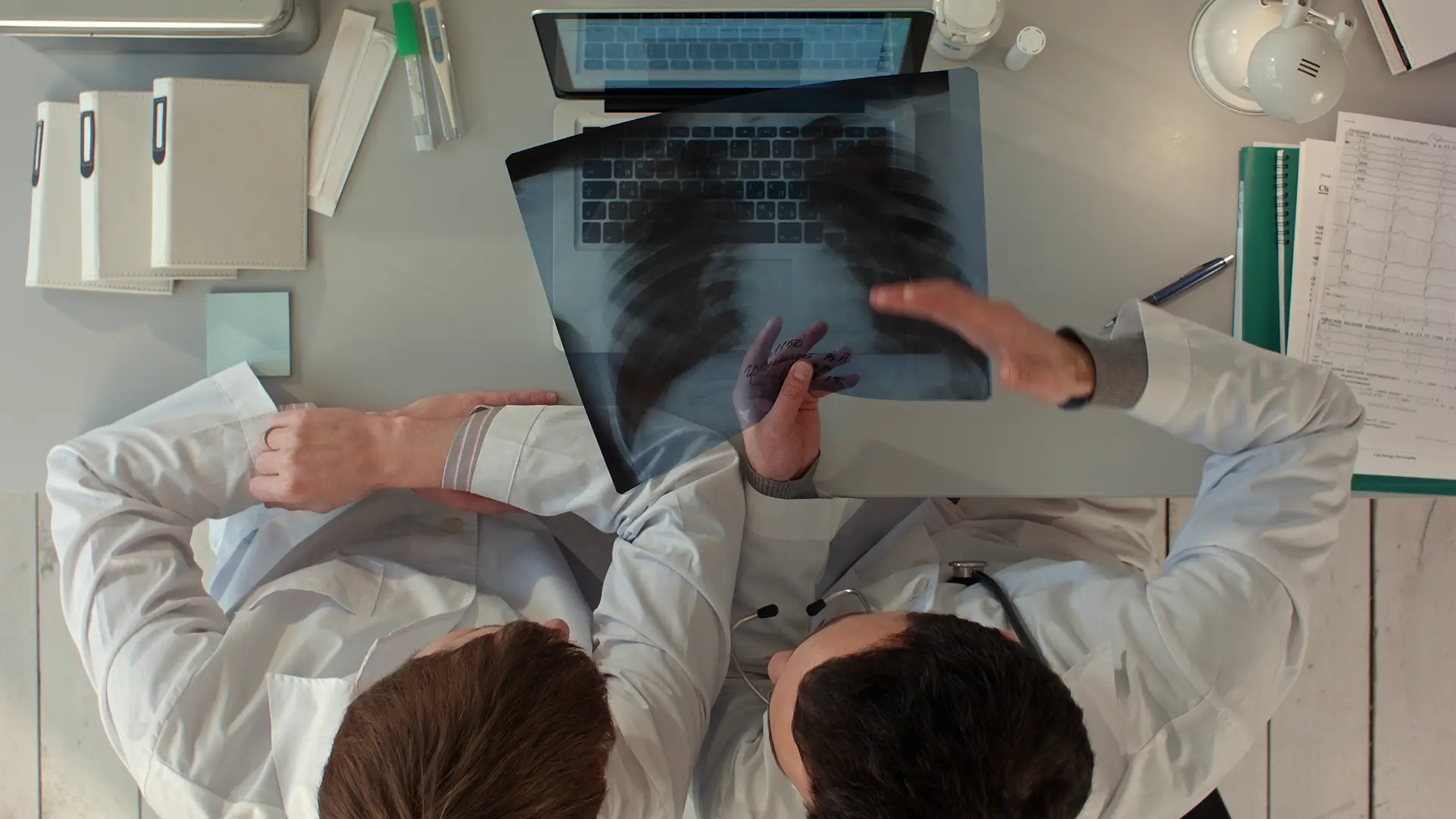
First, the reassurance: both MD and DO physicians attend medical school, are fully licensed, board-certified doctors who complete rigorous and largely parallel training pathways. They undergo comparable undergraduate and medical education, sit for national licensing exams, and train through residency and fellowship programs in the same hospital systems. The designation of “Doctor of Osteopathic Medicine” is not a lesser credential. It is a different one.
Both medical doctors and osteopathic doctors are legally authorized to:
- Diagnose and treat illness and injury
- Prescribe medications
- Perform procedures and surgery
- Specialize in any field of medicine, including internal medicine and pain medicine

What Makes DO Training Different?
The distinction lies in philosophy and an additional body of training. DO programs include everything an MD program covers, plus coursework in osteopathic manipulative medicine (OMM), a hands-on discipline focused on the relationship between the body’s structure and its function.
That philosophy is grounded in the Four Tenets of Osteopathic Medicine, as defined by the American Osteopathic Association:
- The body is a unit — the person is a unit of body, mind, and spirit.
- The body is capable of self-regulation, self-healing, and health maintenance.
- Structure and function are reciprocally interrelated.
- Rational treatment is based on an understanding of body unity, self-regulation, and the interrelationship of structure and function.
In practice, these tenets shape how a DO-trained physician takes a history, conducts a physical exam, and thinks through a treatment plan. The additional OMM training builds on them directly:
- A deeper clinical familiarity with the musculoskeletal system
- The ability to use OMM as both a diagnostic and therapeutic tool
- A whole-body framework for understanding how pain in one area can reflect dysfunction in another
- A tendency toward asking not just “what is the diagnosis” but “why is this happening, and what does the body need to resolve it?”
That last point is not just philosophy. It shapes how a DO physician takes a history, conducts a physical exam, and thinks through a treatment plan.

Why Osteopathic Manipulative Medicine Matters Specifically for Pain Care
Chronic pain is rarely just about one structure, one nerve, or one injury. It is a systemic experience that involves the musculoskeletal system, the nervous system, and often the psychological and social dimensions of a patient’s life. That complexity is exactly where the osteopathic medicine lens adds clarity and value.
A doctor of osteopathic medicine brings an additional layer of diagnostic thinking that most traditionally trained physicians simply were not taught. Rather than defaulting immediately to procedures or medications, a DO is trained to evaluate the full clinical picture and consider how structural factors, movement patterns, and tissue health are contributing to a patient’s pain experience.
This does not mean DOs are categorically better than MDs. It means that for chronic pain, the osteopathic training framework is a particularly good fit. The question worth asking is not just “is this doctor board-certified?” but “how does this doctor think about pain, and does that approach match with what I need?”
“As a DO, I was trained to see the whole patient, not just the diagnosis. In pain medicine, that matters enormously. Chronic pain almost never has a single cause, and the most effective treatment plans reflect that complexity.”
— Dr. Zachary Preefer, DO, Pain Medicine Specialist

Ready to Learn More?
If you are evaluating pain specialists and want to understand how Dr. Preefer’s osteopathic training shapes his approach to care, we encourage you to schedule a consultation. His time-based practice model means that appointments are built around understanding your full picture, not just managing the chief complaint.
Related reading: What Is a Pain Medicine Specialist — And Why the Right One Changes Everything
Book a Consultation with Dr. Preefer
View Related Studies

Pelvic Floor Dysfunction and Chronic Pain: The Connection Most Doctors Miss
Understand the causes of chronic pelvic pain, why it’s often misdiagnosed, and how comprehensive pelvic pain evaluation and treatment can help.

Ketamine Infusion Therapy for Chronic Pain: Let’s Talk About Why It Works
Ketamine infusion therapy for chronic pain targets the neurological root of persistent pain, not just symptoms.

What Is a Pain Medicine Specialist - And Why the Right One Changes Everything
A pain medicine specialist is a physician with advanced training in diagnosing and treating acute and chronic pain conditions.