Pelvic Floor Dysfunction and Chronic Pain: The Connection Most Doctors Miss


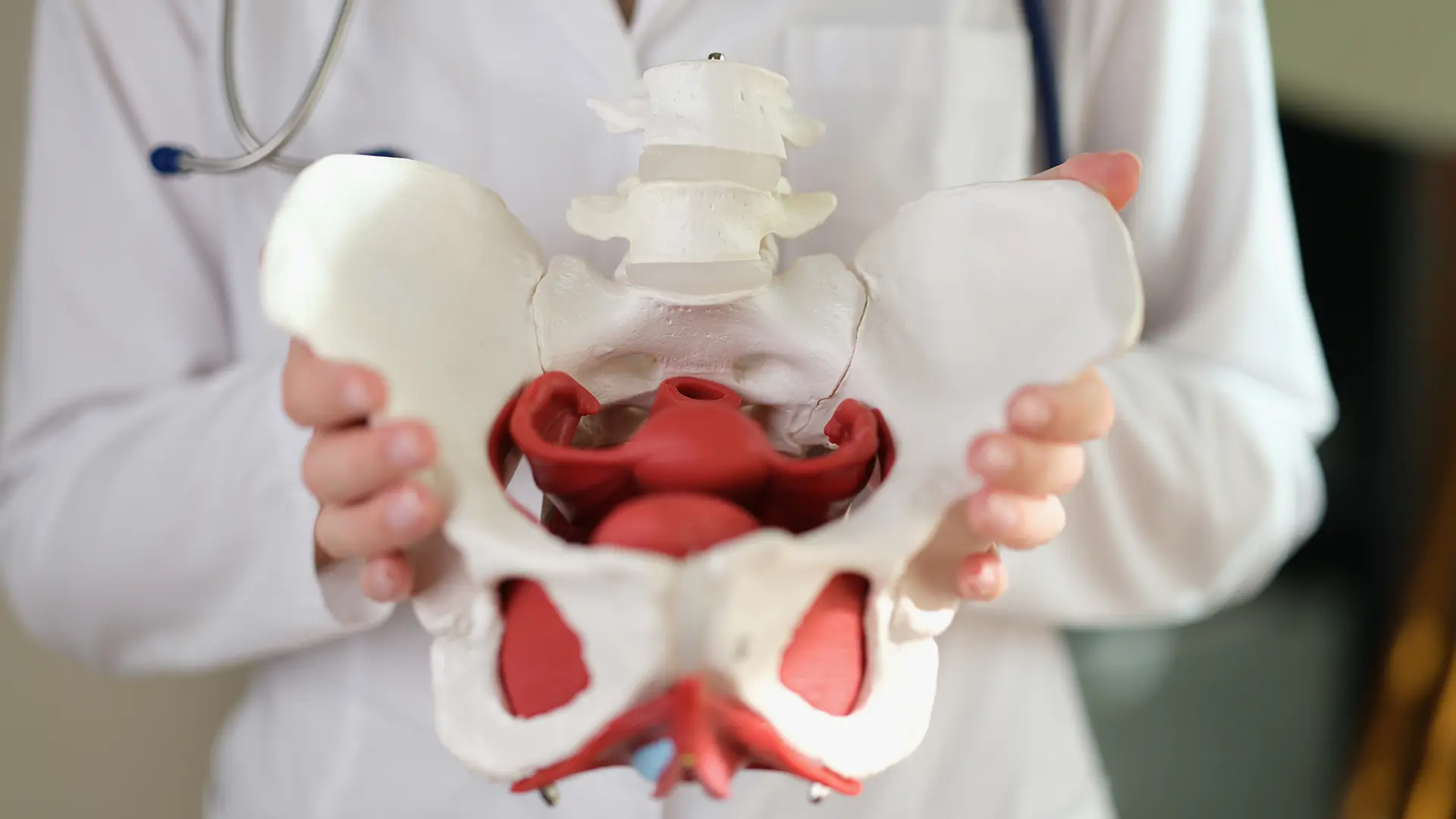
You've been told the tests are normal. That there's nothing structurally wrong. Or that there is something wrong but that they do not know how to help you. That the pain is probably stress, hormones, postpartum changes, or something you'll just need to manage. But the pain is real, and it hasn't gone away.
For many people living with chronic pelvic pain, the missing piece isn't more imaging or another specialist referral. It's a conversation about the pelvic floor and everything surrounding it that never happened.
Key Takeaways
- Chronic pelvic pain is not a single disease. It is a symptom with multiple possible contributors: musculoskeletal, osseous, gynecologic, inflammatory, urologic, vascular, gastrointestinal, and neurologic. Most patients have more than one.
- Pelvic floor dysfunction is one of the most common and most frequently missed contributors to chronic pelvic pain. It doesn't appear on standard imaging and belongs to no single medical specialty.
- Bones and joints matter. Sacroiliac joint dysfunction, coccydynia, and pubic symphysis dysfunction are osseous sources of pelvic pain that standard organ-focused evaluations rarely include.
- Inflammatory and organ-based conditions, including endometriosis, pelvic inflammatory disease, and interstitial cystitis, frequently coexist with pelvic floor dysfunction and need to be identified and treated alongside it.
- Pain is the brain's conscious interpretation of perceived signals from the body, not a direct mechanical output of tissue damage. Central sensitization, along with psychological factors including PTSD, can amplify pelvic pain signals and sustain them long after the source has been addressed.
- Lifestyle factors including sleep, physical activity, diet, and hydration directly influence the nervous system's pain response and belong in any comprehensive treatment plan.
- A thorough evaluation, one that examines the pelvic musculature, the surrounding bony structures, contributing organ-based pathology, and the nervous system together, is the foundation of effective care.
Table of Contents
- What Is Chronic Pelvic Pain?
- Why Pelvic Pain Is So Difficult to Diagnose
- The Many Sources of Pelvic Pain
- How the Body Signals Pelvic Pain
- Lifestyle Modification and Pain
- Mental Health and Chronic Pelvic Pain
- What a Thorough Evaluation Actually Looks Like
- If You're Still Looking for Answers
What is chronic pelvic pain?
Chronic pelvic pain is not a single disease. It is a symptom: persistent pain originating from pelvic organs or structures, typically lasting longer than six months, with many possible contributing causes. According to ACOG Practice Bulletin No. 218, the condition is often associated with gynecologic, urologic, gastrointestinal, and pelvic floor dysfunction, and frequently has no single identifiable source. In clinical practice, most patients have more than one contributing condition.
Pelvic floor dysfunction is one of the most common and most frequently missed contributors to chronic pelvic pain. It often goes unrecognized because it doesn't appear on standard imaging and doesn't belong neatly to any single medical specialty.
Why Pelvic Pain Is So Difficult to Diagnose
Medicine is organized by organ systems. Urologists treat problems that involve urinary function. Obstetrics and Gynecology physicians treat reproductive organs. Gastroenterologists treat bowels. The pelvic floor and other pelvic muscles, a group of muscles and connective tissue that supports all of those structures, belong to no single specialty, which means it often belongs to none of them.
But the specialty-silo problem runs deeper than the pelvic floor muscles alone. The pelvis is a convergence zone. Bones, joints, organs, nerves, muscles, and vascular structures all occupy the same anatomical space, and pain originating from any of them can present in overlapping, difficult-to-distinguish ways. A sacroiliac joint problem can feel like a gynecologic condition. Endometriosis can be mistaken for irritable bowel syndrome. Coccydynia can look like a soft tissue problem until the coccyx itself is evaluated.
The result: patients spend years cycling through specialists, each evaluating one system in isolation, collecting diagnoses that describe their symptoms without explaining them, before anyone thinks to look at the whole picture.
The Many Sources of Pelvic Pain
A thorough evaluation of chronic pelvic pain accounts for contributors across multiple systems. Here is the landscape that a comprehensive assessment considers:
- Musculoskeletal and structural contributors: Chronic pelvic pain may involve the pelvic-floor muscles and other structures of the pelvis, hips, and lower back. Research in women and men with urologic chronic pelvic pain has found pelvic-floor muscle tenderness to be far more common in affected patients than in controls, and more extensive tenderness is linked with greater pain and symptom burden. Clinical reviews also identify hip pathology, pubic symphysis dysfunction, sacroiliac joint dysfunction, lumbosacral conditions, and coccydynia as potential musculoskeletal contributors that may warrant assessment when symptoms and examination findings suggest them.
- Gynecologic and organ-based: Chronic pelvic pain may be associated with gynecologic conditions such as endometriosis, adenomyosis, and uterine fibroids (leiomyomas). These conditions are hormonally responsive; endometriosis in particular is an estrogen-dependent chronic inflammatory disease. Endometriosis may cause painful periods, pain during sex, and pelvic pain that occurs outside menstruation, although symptoms and pain patterns vary among patients. Adnexal conditions, including ovarian pathology, and pelvic adhesions can also contribute to pelvic pain in some cases. Endometriosis is not an infection, but its chronic inflammatory process may contribute to persistent pain and adhesions.
- Inflammatory and infectious contributions: Pelvic inflammatory disease (PID) is an infection-associated inflammatory disorder of the upper reproductive tract that can cause acute pelvic pain and may contribute to chronic pelvic pain through inflammation, scarring, and adhesions. Prompt evaluation and antibiotic treatment are important to reduce the risk of long-term complications.
- Urologic: Interstitial cystitis/bladder pain syndrome (IC-BPS) is a chronic bladder-related pain condition that can cause pelvic pain, pressure, urinary urgency, and frequency. It commonly coexists with other chronic pelvic pain conditions, including endometriosis.
- Gastrointestinal: Irritable bowel syndrome, particularly constipation-predominant IBS, and chronic constipation commonly coexist with pelvic-floor symptoms and dysfunction. Pelvic-floor dyssynergia, meaning impaired relaxation or coordination of the pelvic-floor muscles during defecation, can cause or worsen constipation, straining, and incomplete evacuation. Conversely, persistent bowel symptoms, pain, and straining may contribute to pelvic-floor muscle overactivity or dysfunctional bowel habits, creating a self-reinforcing cycle in some patients.
- Neurologic conditions: Pudendal neuralgia is neuropathic pain involving the pudendal nerve, sometimes related to nerve irritation, injury, or entrapment. It may cause burning, stabbing, shooting, tingling, or electric-shock-like pain in the perineum, external genital area, anus, or rectal area. Central sensitization, meaning an increased responsiveness of the brain and spinal cord to pain-related signals, can amplify and perpetuate pain over time and is common among people with chronic pelvic pain.
In practice, these categories overlap considerably. A patient may have endometriosis driving inflammation, a reactive pelvic floor muscle response to that inflammation, pudendal nerve irritation from that muscle tension, and central nervous system sensitization layered on top. Treating any one of these in isolation often produces incomplete relief.
"Pelvic floor dysfunction is one of the most under-evaluated contributors to chronic pain I see in my practice. Imaging is often not enough to tell you what is wrong or may lead you to believe you found the culprit incorrectly. Additionally, pelvic pain in general is hard to treat and takes time to address, causing many physicians to give up due to complexity, costs, and lack of reimbursement by insurers.
This is one of the reasons why Preefer Pain Relief uses a time-based model rather than a productivity model. Our patients deserve my attention to them, not how much they're worth in reimbursement based on potential procedures and coding."
— Dr. Zachary Preefer, DO, MHA, Anesthesiologist and Pain Medicine Physician

How the Body Signals Pelvic Pain
Pain is not simply a mechanical output of tissue damage. It is the nervous system's interpretation of signals from the body, a protective response shaped by physiology, history, and context. Understanding this distinction matters enormously for patients with pelvic pain, because it explains why the experience of pain so often doesn't correspond neatly to what imaging or lab work reveals.
The pelvic muscles are a central piece of that signaling system. When they are functioning normally, they support the pelvic organs, coordinate with breathing and movement, and relax on demand. When something disrupts that balance, whether through injury, inflammation, postural strain, or sustained stress, tension can build and stay.
For example, when the pelvic floor muscles are hypertonic, meaning stuck in a state of sustained tension, they cannot release; the body generates pain signals as part of its alarm system. Those signals can radiate to the lower back, hips, thighs, and tailbone. They can even manifest along the spine through abnormal sacral movement, contributing to headaches and migraines in some patients. The pudendal nerve, which runs through much of the pelvic region, can become compressed or irritated by hypertonic muscles, producing sensations that feel like burning, stabbing, or electric pain rather than anything resembling typical muscle soreness.
Over time, persistent signaling from any pelvic pain source, whether muscular, inflammatory, osseous, or organ-based, can sensitize the central nervous system. Once that sensitization takes hold, the nervous system amplifies pain signals even in the absence of active tissue stimulation. This is why pelvic pain can feel variable and unpredictable, worsening with sitting, stress, or movement in ways that don't follow an obvious pattern. That variability reflects what the nervous system is doing, not a lack of real pathology.
Post-traumatic stress disorder (PTSD) can be a clinically important co-occurring factor in chronic pelvic pain and pelvic floor dysfunction. In some patients, PTSD-related hypervigilance, stress-system dysregulation, and central sensitization may amplify pain sensitivity and contribute to ongoing symptoms.
This does not mean pelvic pain is “all in the mind” or not physical. Pain is real, and pelvic pain may involve gynecologic, urologic, gastrointestinal, musculoskeletal, neurologic, and pelvic-floor contributors. PTSD can influence how the nervous system detects, interprets, and responds to pain, potentially making symptoms feel more intense or more difficult to calm.
When PTSD symptoms or a relevant trauma history are present, trauma-informed assessment and coordinated care may be an important part of an individualized treatment plan that might include appropriate physical therapy, pain management, and medical and mental-health support.
Lifestyle Modification and Pain
How the nervous system processes pain is not fixed. Day-to-day habits and lifestyle choices directly influence the brain's pain response, and incorporating targeted lifestyle modifications is a meaningful part of any comprehensive treatment plan for chronic pelvic pain.
Sleep: Insufficient or nonrestorative sleep can increase pain sensitivity and may lower pain thresholds or tolerance. Over time, disrupted sleep may contribute to pain amplification and central-sensitization features, while persistent pain can further interfere with sleep. Sleep is an important and often modifiable factor in chronic pain. Adequate, restorative sleep also supports healing-related processes and healthy regulation of stress and pain systems.
Physical activity, calibrated to where you are right now, supports pain modulation through multiple pathways: reducing inflammation, increasing endorphin release, improving pelvic floor coordination, and countering the deconditioning that often follows months or years of pain-avoidance. This doesn't mean pushing through severe pain. It means finding forms of movement, such as walking, swimming, gentle yoga, or pelvic-floor-specific exercise, that keep the body active without triggering flares.
Sexual dysfunction deserves an honest conversation as part of pelvic pain care. For patients with vaginismus, vulvodynia, or pelvic floor hypertonicity, sexual activity can be a source of significant pain and avoidance, which in turn can reinforce pelvic floor tension and affect relationships and quality of life. With appropriate treatment and guidance, many patients can restore comfortable sexual function over time. This is a clinical priority, not a secondary one.
Anti-inflammatory dietary choices: Nutrition can support overall health, bowel regularity, and symptom management, but there is no one diet that treats every cause of pelvic pain. A balanced diet rich in fiber-containing foods and appropriate hydration may help reduce constipation and straining during bowel movements, which can affect pelvic-floor symptoms. For endometriosis and IC/BPS, dietary changes should be individualized because potential triggers and responses vary from person to person.
Comfort aids, including heat therapy, supportive positioning, ergonomic seating, and appropriately prescribed orthotic devices, can reduce the cumulative strain that aggravates pelvic pain during daily activities. These are practical tools with a real role in day-to-day symptom management while longer-term treatment takes effect.
Mental Health and Chronic Pelvic Pain
The relationship between mental health and chronic pelvic pain is bidirectional, and taking it seriously is not the same as suggesting the pain is psychological. Anxiety, depression, and PTSD don't cause pelvic pain, but they operate through the same nervous system that processes pelvic pain, and they measurably influence how that system responds.
Trauma, including sexual or physical abuse, adverse childhood experiences, and other forms of psychological trauma, has a well-documented association with chronic pelvic pain. This connection is neurobiological, not speculative. Trauma alters the hypothalamic-pituitary-adrenal axis, the autonomic nervous system, and the central pain-processing pathways in ways that lower the threshold for pain, increase the duration of pain responses, and reduce the effectiveness of pain treatments that don't account for this background. Identifying a trauma history isn't about assigning blame or labeling patients; it's about building a treatment plan that will actually work.
Mental healthcare in the context of pelvic pain may include trauma-focused psychotherapy such as eye movement desensitization and reprocessing (EMDR) or trauma-focused cognitive behavioral therapy, mindfulness-based stress reduction, or working with a psychologist familiar with chronic pain. These approaches don't just treat mood; they actively retrain the nervous system's threat and pain-signaling responses. For patients with PTSD or significant trauma histories, addressing that history alongside the physical dimensions of pelvic pain is not optional if the goal is lasting relief.
At the same time, living with chronic pelvic pain takes a toll regardless of prior trauma. Prolonged pain, diagnostic uncertainty, and the experience of being dismissed or misunderstood produce their own psychological burden. Addressing this through support, validation, and active mental health care is part of comprehensive pelvic pain treatment, not a substitute for it.
What a Thorough Evaluation Actually Looks Like
Because chronic pelvic pain is multisystem by nature, a thorough evaluation needs to be multisystem as well. That means taking the time to take a detailed history that goes beyond the organ of primary complaint. This includes doing a comprehensive review of previous healthcare documentation or other efforts to diagnose and treat the pain, other symptoms, and their causes. It means a physical examination that includes the pelvic floor muscles, the sacroiliac joints, the coccyx, and the surrounding bony structures — not just the reproductive organs or the bladder. And it means a physician who can integrate findings across systems rather than handing each piece off to a different specialist in isolation.
Depending on the full picture of findings, treatment may also include ultrasound-guided nerve block procedures to diagnose or primarily address the tissue dysfunction, medication management to address the other drivers of pain and pathology, and coordination with other specialists when required. The goal is a plan built around your specific pattern of contributors — not a protocol designed for the average patient.
"Patients with pelvic pain deserve a physician who will actually examine the pelvis and the context around it. A thorough evaluation takes time, and that's exactly what this practice is built to provide."
— Dr. Zachary Preefer

If You're Still Looking for Answers
Chronic pelvic pain is not a life sentence, and normal test results don't mean there's nothing to treat. If you've been through the specialist carousel without finding relief, it may be time for an evaluation that looks at the full picture: the muscles, the bones, the organs, the blood vessels, the nerves, and how they interact.
To understand the full picture of pelvic pain diagnosis and treatment, read our guide: Pelvic Pain: Why It's So Often Misdiagnosed and What Advanced Pain Medicine Can Do. Or, if you're ready to talk, schedule a consultation with Dr. Zachary Preefer.
Frequently Asked Questions
Why do so many patients with pelvic pain go years without a clear diagnosis?
Chronic pelvic pain draws from so many overlapping systems, and most patients have more than one contributing condition, that no single specialist is positioned to see the full picture. The result is a diagnostic process that moves laterally rather than forward: each referral answers a narrow question without resolving the larger one.
If you have seen multiple specialists without a satisfying explanation, the most useful next step is usually not another organ-specific workup. It is an evaluation by a physician who takes a comprehensive history across all systems and examines the pelvic floor, the bony structures, and the neurologic contributors together, in a single encounter.
How do sacroiliac joints and the coccyx contribute to pelvic pain?
The pelvis is not just muscles and organs. It is also a bony structure, and pain originating from the sacroiliac joints, coccyx, or pubic symphysis is a frequently overlooked contributor to chronic pelvic discomfort.
Sacroiliac joint dysfunction in particular can produce pain that radiates into the abdomen, hips, and lower back in ways that closely resemble gynecologic or gastrointestinal symptoms, making it easy to miss without a musculoskeletal examination. Because these osseous sources usually only appear on specific pelvic imaging protocols and require specific physical exam tests that not all physicians perform regularly, they often go unevaluated until a physician specifically looks for them.
When should mental health care be part of a pelvic pain treatment plan?
For most patients with chronic pelvic pain, the answer is: sooner than it typically is. A mental health referral is not a signal that the pain is psychological. It is a recognition that the nervous system, through which pain is processed, is the same one affected by anxiety, depression, trauma, and PTSD; and that addressing those factors is sometimes what makes the rest of the treatments work.
A referral to a psychologist or therapist familiar with chronic pain, particularly one trained in trauma-focused approaches such as EMDR or trauma-focused cognitive behavioral therapy, is most effective when it runs alongside physical treatment rather than replacing it. If your current care team has not raised this as an option, it is worth asking about directly.
What should I bring to a first appointment with a pelvic pain specialist?
A concise timeline of your symptoms, including when they started, how they have changed, and what has helped or made them worse, is more useful than a stack of prior records on its own. If you have had imaging, bring those reports. If you have tried treatments, note which ones and what happened.
It also helps to come with two or three concrete functional goals: what you want to be able to do that pain is currently preventing. Whether that is returning to exercise, sleeping through the night, or resuming normal sexual activity, those goals give the evaluation direction and give you a way to measure whether treatment is working. Get your personalized treatment plan started by scheduling an appointment with Dr. Zachary Preefer today.
View Related Studies

Ketamine Infusion Therapy for Chronic Pain: Let’s Talk About Why It Works
Ketamine infusion therapy for chronic pain targets the neurological root of persistent pain, not just symptoms.

What Is a Pain Medicine Specialist - And Why the Right One Changes Everything
A pain medicine specialist is a physician with advanced training in diagnosing and treating acute and chronic pain conditions.

The Difference Between an MD and a DO: What It Means for Your Pain Care
Choosing between a medical doctor (MD) and an osteopathic doctor (DO) for pain care can impact your treatment approach.